Mon–Fri 8:00 AM – 5:00 PM


At Maplewood Dental Group, our goal is to combine modern techniques with thoughtful, patient-centered care. We keep pace with advances in digital dentistry and materials so patients can count on restorations that look natural and perform reliably for years. Our approach balances aesthetics, function, and long-term oral health.
Even though tooth enamel is extremely hard, teeth can still break down from decay, injury, or chronic grinding. In many situations a filling alone won’t restore the strength or shape a tooth needs. A ceramic crown rebuilds the tooth’s structure, protects the remaining enamel, and restores chewing function while delivering a lifelike appearance.
A crown is a full-coverage restoration that replaces the outer portion of a damaged tooth. Unlike a filling, which repairs a portion of the tooth, a crown encases what’s left of the natural tooth to provide structural support and protect the underlying root. This makes crowns an ideal choice when a tooth is weakened or has lost substantial material.
Dentists typically consider a crown when the tooth’s remaining structure is unlikely to hold a large filling, when a tooth has been fractured, or when a restoration must resist the forces of chewing over time. Crowns are also the standard way to protect teeth that have undergone root canal therapy, since those teeth can become more brittle after treatment.
Other common reasons to recommend a crown include restoring an implant, anchoring a traditional dental bridge, correcting a misshapen or discolored tooth, or addressing bite irregularities that affect how teeth meet. Your dentist will review the health of the tooth, the surrounding gum tissue, and your cosmetic goals before recommending a crown.
To rebuild a tooth that has extensive decay or structural damage
To replace a large or failed dental filling
To restore a dental implant with a natural-looking crown
To serve as the supporting tooth for a traditional dental bridge
To protect and strengthen a tooth after root canal treatment
To improve the appearance of a tooth that is discolored, misshapen, or undersized
To correct bite issues that contribute to excessive wear or discomfort

Ceramic crowns—sometimes referred to as all-ceramic or metal-free crowns—are valued for their natural appearance and biocompatibility. Modern dental ceramics scatter and reflect light much like natural enamel, producing a translucency and sheen that’s difficult to achieve with older materials. For visible front teeth, this cosmetic match is especially important.
Beyond looks, contemporary ceramic materials provide excellent strength and wear characteristics. Advances in ceramic chemistry and manufacturing mean crowns can be both thin and resilient, preserving more of the prepared tooth while still standing up to the stresses of biting and chewing. Because they contain no metal, ceramic crowns also eliminate the gray line sometimes seen at the gumline with porcelain-fused-to-metal restorations.
Another benefit of ceramic crowns is their tissue friendliness. Ceramic surfaces are gentle on adjacent gums and resist staining, which helps maintain a consistent appearance over time. For patients with metal sensitivities or those who prefer a completely metal-free restoration, ceramics are an attractive option.
Highly lifelike—translucent and color-matched to natural teeth
Can require less tooth reduction when suitable materials are chosen
Metal-free composition reduces the risk of allergic reactions and eliminates dark margins
Resistant to stains and long-term discoloration
Kind to surrounding gum tissue, supporting a healthy soft-tissue profile
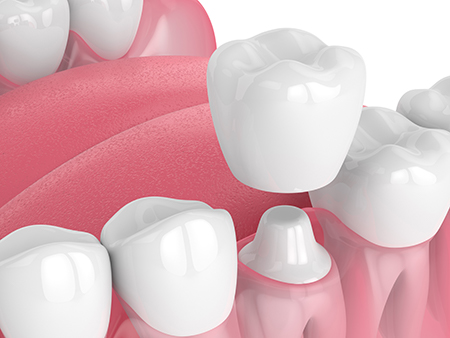
“Ceramic” covers a range of materials, and the best choice depends on where the crown will sit in the mouth and what the restoration needs to do. Back teeth need materials that withstand high biting forces; front teeth require the most natural-looking translucency and shade matching. Your dentist will evaluate both the functional demands and aesthetic goals before recommending a material.
Common modern options include high-strength glass-ceramics and various forms of zirconia. Each material has trade-offs between translucency, strength, and how much tooth preparation is necessary. Advances such as lithium disilicate offer a strong, highly aesthetic solution for many situations, while newer zirconia formulations provide exceptional durability for molar restorations.
Selecting the right ceramic isn’t just about the material itself; it also involves how the crown is fabricated. Digital impressions, computer-aided design (CAD), and precise milling or pressing techniques improve the fit and shade matching of the final restoration. Your clinician will explain why a particular ceramic is recommended for your smile.
Lithium disilicate porcelain crowns
Leucite-reinforced pressable porcelain crowns
Solid or monolithic zirconia crowns
High-translucency zirconia options

The treatment process typically starts with a careful clinical exam and imaging to assess the tooth and surrounding structures. Any decay is removed and the tooth is shaped to receive the crown. If a root canal or other preparatory work is needed, that will be performed first to ensure the tooth is stable and comfortable.
Digital technology often simplifies the workflow. In many cases, an intraoral scan replaces traditional impressions, allowing for more precise design. Some practices use in-office milling systems that can fabricate a ceramic crown in a single visit; in other cases, a laboratory will craft the restoration and the patient returns for final placement. Temporary protection is used when a lab-fabricated crown is required.
At every step, the crown is checked for fit, bite, and color. When everything meets the planned goals, the restoration is permanently cemented and adjusted for comfort. Our team focuses on predictable outcomes and clear communication, helping patients understand each phase so they feel confident about their care.
Ceramic crowns can provide many years of service when they’re cared for properly. Routine oral hygiene—brushing twice a day with a soft-bristled brush and daily flossing—helps protect the junction between the crown and natural tooth from decay. Regular dental checkups and cleanings allow the dentist to monitor the crown and adjacent tissues.
Avoiding habits that place excessive force on a restored tooth is important. Chewing ice, using teeth to open packages, or habitual clenching and grinding can stress any restoration. If you grind your teeth, your dentist may recommend a protective nightguard to reduce wear and protect both natural teeth and crowns.
Minor issues can usually be managed quickly, but it’s best to address concerns such as looseness, sensitivity, or a change in bite promptly. With proper care and periodic professional evaluation, ceramic crowns remain a dependable way to restore function and appearance.
We prioritize treatments that balance durability with aesthetics, choosing materials and techniques that fit each patient’s individual needs. Whether restoring a front tooth for optimal appearance or reinforcing a molar to restore chewing efficiency, our focus is on predictable results that integrate with the rest of the smile.
Through careful planning, modern imaging, and a commitment to quality materials, we aim to deliver crowns that feel natural and perform well. When appropriate, same-day digital workflows can reduce appointments and improve convenience without sacrificing fit or shade accuracy.
If you’re considering a crown or want to learn whether a ceramic restoration is right for your situation, we’re here to help. Contact us for more information or to schedule a consultation with our team.
A ceramic crown is a full-coverage dental restoration made from tooth-colored ceramic materials that replace the outer portion of a damaged tooth. Unlike porcelain-fused-to-metal restorations, ceramic crowns contain no metal substructure, which helps avoid dark margins at the gumline and improves biocompatibility. Modern ceramics mimic natural enamel translucency and shade for a lifelike appearance while remaining durable for everyday function.
Ceramic crowns are often chosen for their aesthetic qualities as well as their tissue-friendly surfaces, which resist staining and are gentle on adjacent gums. Advances in ceramic chemistry and fabrication have increased strength so these restorations can be used in many areas of the mouth. The ideal material and design depend on the tooth's location, the forces it will absorb, and the patient’s cosmetic goals.
A crown is recommended when a tooth has experienced extensive decay, a large or failed filling, a fracture, or structural loss that undermines its strength. Crowns are frequently used to protect teeth after root canal therapy, to restore dental implants, or to serve as abutments for traditional bridges. They are also a good option for correcting misshapen, discolored, or undersized teeth when a durable, full-coverage solution is needed.
Your dentist will evaluate the remaining tooth structure, surrounding gum health, and how your teeth meet to determine if a crown is the best choice. In some situations, alternatives such as onlays, partial crowns, or veneers may be considered when less tooth reduction is desirable. The final recommendation balances function, longevity, and aesthetic expectations for each individual case.
Contemporary ceramic options include lithium disilicate, leucite-reinforced ceramics, and various formulations of zirconia, each offering different blends of translucency and strength. Lithium disilicate provides excellent aesthetics and is commonly used for front teeth and single-unit restorations, while high-strength zirconia systems offer exceptional durability for molars and high-bite-force areas. Leucite-reinforced and pressable ceramics can deliver attractive optical properties for select cosmetic cases.
Choosing the right material involves trade-offs between how natural the restoration looks and how much force it will need to resist. Fabrication methods such as CAD/CAM milling, pressed ceramics, and laboratory layering also affect fit, marginal integrity, and shade matching. Your clinician will explain the reasons for recommending a particular ceramic based on the tooth's position and functional demands.
The CEREC workflow uses digital impressions, computer-aided design, and in-office milling to design and fabricate a ceramic crown during a single appointment. After preparing the tooth and capturing an intraoral scan, the clinician designs the restoration on-screen, mills it from a ceramic block, and then adjusts and polishes the crown before placement. Because the crown is produced on-site, patients avoid temporary restorations and a return visit for final seating in many cases.
Same-day crowns provide convenience and precise digital fit for suitable cases, but complex restorations or multi-unit work may still be sent to a specialized dental laboratory. Digital workflows also improve communication about shade and occlusion, helping achieve predictable aesthetic and functional outcomes. Maplewood Dental Group integrates digital tools to streamline the process when clinically appropriate.
Treatment begins with a clinical exam and imaging to assess the tooth, surrounding bone, and gum tissues. The tooth is numbed, any decay or old material is removed, and the tooth is shaped to receive the crown while preserving as much healthy structure as possible. A digital scan or traditional impression is taken, and if the crown will be lab-fabricated, a temporary restoration protects the tooth until final placement.
At the placement appointment the crown is tried in to confirm fit, contacts, and shade, then permanently cemented or bonded and adjusted for comfort and occlusion. The dentist will check your bite and make minor adjustments as needed to prevent high spots and ensure smooth function. Post-procedure instructions typically cover oral hygiene, what to expect for a few days, and when to return for a follow-up if needed.
Daily oral hygiene remains the foundation for long-term success: brush twice a day with a soft-bristled brush and clean between teeth with floss or an interdental cleaner to protect the junction between crown and tooth. Avoiding hard or abrasive habits, such as chewing ice, opening packages with your teeth, or using hard utensils, reduces the risk of chipping or fracture. If you experience persistent sensitivity, discomfort, or changes in how your teeth fit together, schedule an evaluation promptly.
If you have a history of grinding or clenching, your dentist may recommend a custom nightguard to protect both natural teeth and restorations from excessive wear. Regular dental checkups and professional cleanings allow the dental team to inspect margins, check for recurrent decay, and polish the crown to maintain aesthetics. Proper care and timely professional attention help ceramic crowns remain reliable for many years.
With good oral hygiene and regular dental care, ceramic crowns commonly function well for many years; many patients experience a decade or more of reliable service depending on material selection, bite forces, and habits. Longevity varies with factors such as the amount of remaining tooth, the crown material, and how well the restoration integrates with surrounding tissues. Routine monitoring helps identify small issues before they become failures.
Warning signs that warrant an appointment include persistent sensitivity to hot or cold, a feeling that the crown is loose, visible cracks or chips, a change in bite, or gum inflammation around the restoration. Early evaluation can allow conservative repairs or adjustments and may prevent more extensive treatment. Your dentist will assess the crown, take appropriate imaging, and recommend the safest course of action.
Ceramic crowns are commonly used as the visible restoration on dental implants and can also serve as pontics or abutments in traditional fixed bridges. For implants, crowns are attached to custom abutments and can be designed as screw-retained or cement-retained restorations depending on clinical needs and retrievability concerns. Material choice and crown design for implant restorations take into account emergence profile, occlusal forces, and esthetic demands.
When used in a bridge, crowns on adjacent teeth provide support for the replacement tooth or teeth between them, and care is taken to ensure even distribution of biting forces. Advanced ceramics and zirconia frameworks offer the strength needed for multi-unit prostheses while maintaining an attractive appearance. Your clinician will plan restorations to achieve a harmonious result that preserves function and soft-tissue health.
Good candidates for ceramic crowns include patients with teeth that have large restorations, fractures, significant decay, or have undergone root canal therapy and require full coverage for additional strength. Candidates should have reasonably healthy gums and sufficient tooth structure for crown retention, or the clinician can augment support with core buildups or posts when appropriate. The decision also considers the tooth’s position, bite dynamics, and cosmetic priorities.
Alternatives such as onlays, partial crowns, or veneers may be preferable when less tooth reduction is desired or the damage is limited to one surface. Extraction followed by implant restoration may be considered when a tooth cannot be predictably restored, and orthodontic or periodontal treatments can be part of a comprehensive plan in some cases. For personalized guidance, schedule a consultation with Maplewood Dental Group so the team can review your options and create a tailored treatment plan.
Ceramic crowns are predictable, but like any dental procedure they carry potential risks such as transient sensitivity, chipped or fractured porcelain, debonding, and, in rare cases, irritation of the surrounding gum tissue. Teeth that receive crowns may still develop recurrent decay at the margin if oral hygiene is inadequate, and a crowned tooth that has undergone root canal therapy can occasionally experience fracture or infection over time. Proper material selection, design, and occlusal management reduce many of these risks.
To minimize complications, follow the dentist’s post-procedure instructions, maintain excellent daily oral care, avoid harmful habits, and attend routine dental visits so the restoration can be monitored. If you notice unusual symptoms such as persistent pain, mobility of the crown, or significant changes in gum tissue, contact your dental office promptly for assessment. Early intervention often allows conservative solutions and preserves the tooth and restoration.
Skilled, compassionate dental care for patients of all ages in Nashua, New Hampshire.