Mon–Fri 8:00 AM – 5:00 PM


At the office of Maplewood Dental Group, our approach to extractions begins with a simple premise: saving teeth is preferable, but removal is sometimes the healthiest choice. We focus on careful assessment, clear explanations, and a treatment plan tailored to each person's medical history and oral goals. That means you’ll always know why a tooth is being considered for extraction and what the alternatives are.
When a tooth can’t be restored safely or would cause further problems, extraction protects the surrounding teeth, gum tissue, and jawbone. Removing a problematic tooth can stop the spread of infection, relieve pain, and prevent long-term damage that would otherwise be harder to treat. Our emphasis is on doing what preserves your overall oral health over the long term.
We make comfort and safety priority number one. Before recommending an extraction, we review your health history, evaluate radiographs, and discuss options for anesthesia or sedation if needed. Our goal is a predictable procedure and a smooth recovery so you can return to normal life quickly.
Primary (baby) teeth that won’t fall out
Sometimes a primary tooth remains firmly in place after its permanent successor begins to erupt. If the baby tooth’s root fails to resorb or if it becomes fused to the jawbone, it can block proper development of the adult tooth. In those cases, carefully timed extraction helps guide correct alignment and prevent future orthodontic issues.
Permanent teeth with extensive decay beyond repair
Decay can progress from a small cavity to extensive structural damage if left untreated. When a tooth’s remaining structure is insufficient for a reliable restoration or when the nerve has been irreparably harmed, extraction removes the source of infection and pain so healing can begin.
Severely fractured teeth
Cracks or breaks that extend below the gumline or into the root often cannot be restored predictably. When a tooth is split or fractured in a way that compromises its long-term stability, removing it prevents recurring problems and allows us to plan for an appropriate replacement.
Teeth compromised by advanced periodontal disease
When gum disease has caused significant bone loss and loosening of the teeth, extraction may be the safest choice. Removing a hopeless tooth can stop disease progression and make it easier to treat the remaining dentition and restore a healthy foundation for the gums and bone.
Wisdom teeth that are impacted or problematic
Third molars often lack the space needed to erupt properly. They can become partially impacted, decay-prone, or a threat to neighboring teeth. Extracting troublesome wisdom teeth early can prevent pain, infection, and shifting of other teeth.
Extractions as part of orthodontic planning
In some orthodontic cases, removing one or more teeth creates the space needed to align the bite and achieve long-term stability. When this is recommended, extractions are planned precisely to support the desired functional and esthetic outcomes.

Preparation begins with a thorough review of your medical history and current medications. We need to know about any conditions—heart issues, bleeding disorders, diabetes, or medications like blood thinners—so we can plan safe, individualized care. In some cases we coordinate with your physician before proceeding.
Diagnostic imaging, usually digital radiographs, helps us understand root shape, bone levels, and any nearby structures. That information determines whether a simple removal will do or if a surgical approach is safer. We’ll explain what we see and what to expect in language that’s straightforward and respectful of your questions.
Before the appointment we’ll give clear pre-operative instructions: when to take or hold certain medications, fasting guidelines if sedation is planned, and steps to prepare at home. For anxious patients we offer options for sedation dentistry so that the appointment is as calm and comfortable as possible.
Extractions fall broadly into two categories. A simple extraction is performed when the tooth is visible and its roots are accessible. Surgical extraction is a more controlled procedure used when the tooth is broken, impacted, or surrounded by bone in a way that requires careful removal.
We determine the appropriate method after clinical exam and review of radiographs. Our priority is to minimize trauma to the surrounding tissues and to protect the jawbone so your recovery is quicker and future restorative options remain available.
When treatment exceeds routine scope, we may coordinate care with an oral and maxillofacial surgeon. That kind of referral is made with your best interest in mind: complex cases are best handled by specialists who can provide advanced surgical techniques and anesthesia options.
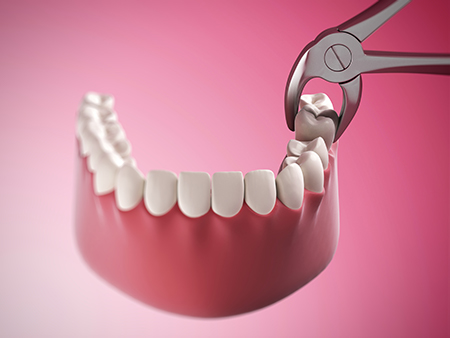
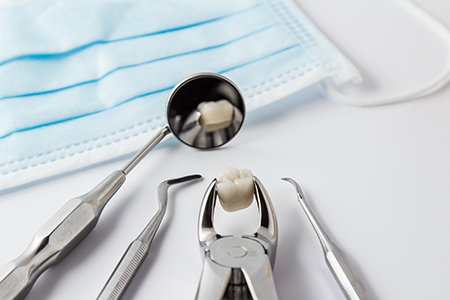
Simple extractions are used for teeth that are fully erupted and have a predictable root form. After adequate local anesthesia, we gently loosen the supporting ligaments and use forceps to remove the tooth. The process is typically quick, and most patients experience only brief post-operative discomfort.
For patients who feel nervous about dental work, we discuss calming strategies and sedation options in advance. Our focus is to make the experience efficient and as comfortable as possible while ensuring thorough aftercare instructions are understood.
Surgical extractions involve a small incision and, if necessary, removal of a bit of bone to access a tooth that’s fractured, ankylosed, or impacted. These cases require precise technique to reduce the risk of complications and protect adjacent teeth and tissues. Local anesthesia is used, and sedation can be arranged if it will improve comfort.
After surgical removal we provide detailed post-operative guidance and schedule follow-up when indicated. Complex cases can have variable healing timelines, so we monitor progress closely and intervene promptly if additional care is needed.
How you care for the extraction site in the first 48–72 hours makes a big difference in comfort and healing. We provide concise, practical instructions tailored to your situation, including guidance on pain control, activity restrictions, and oral hygiene. Following these steps reduces the risk of dry socket, infection, and prolonged soreness.
Expect some swelling and tenderness; ice applied intermittently the first day helps control swelling, and taking pain medication as directed keeps you comfortable. Avoiding smoking, using straws, or rinsing vigorously helps the blood clot stabilize, which is a key part of the natural healing process.
We encourage a soft-food diet for a few days, staying hydrated, and gentle brushing away from the extraction site. If stitches were placed we’ll let you know whether they are dissolvable or need removal, and if a follow-up visit is required we’ll schedule it before you leave.
Keep firm pressure on the site initially
We supply gauze to control bleeding. Bite gently but firmly as instructed; if bleeding persists we’ll advise how to manage it and when to call.
Protect numb areas
Avoid chewing or touching lips, cheeks, and tongue until the anesthesia has fully worn off to prevent accidental injury.
Take medications exactly as directed
If antibiotics or pain medications are prescribed, follow the dosing instructions carefully. Over-the-counter pain relievers are often effective for routine discomfort.
Avoid actions that disrupt clot formation
Don’t rinse vigorously, spit forcefully, use a straw, or smoke for the first several days to allow the clot to form and hold.
Manage swelling with ice
Apply an ice pack in 10-minute intervals during the first 24 hours to minimize swelling and discomfort.
Choose soft, cool foods initially
Stick to soft, non-spicy meals and avoid alcohol or carbonated drinks for a day or two. Gradually return to your normal diet as comfort allows.
Maintain gentle oral hygiene
Brush carefully around the surgical area and, after the first day, use a mild saltwater rinse to keep the mouth fresh without disturbing healing tissues.
Keep follow-up appointments
If we schedule a post-operative check or suture removal, please keep that visit so we can verify that healing is progressing normally.
If you notice unexpected symptoms—continued heavy bleeding, increasing pain, fever, or a persistent bad taste—contact our team for advice. Timely communication lets us address issues quickly and avoid complications.
Once the extraction site has healed, we’ll discuss replacement options if a tooth is missing in a visible or functional area. Choices include removable prosthetics, fixed bridges, and implant-supported restorations. Each option has benefits that we’ll review based on your oral health, preferences, and long-term goals.
Selecting a replacement is a collaborative process: we review how the choice will affect chewing, speech, adjacent teeth, and the overall health of your mouth. If dental implants are appropriate, we explain the staged process so you have a clear picture of timelines and what to expect during restoration.
When extractions are performed with an eye toward future restoration, it preserves options and makes replacement simpler and more predictable. Our aim is to help you leave the chair with a safe, stable foundation for whatever comes next.
Extractions are a common, often necessary part of comprehensive dental care. When performed with careful planning and thoughtful aftercare, they relieve pain, stop disease, and protect the rest of your smile. Our team approaches each case with the same focus on comfort, clear communication, and predictable results.
If you have questions about an upcoming extraction or want to discuss replacement options after a removal, please contact us for more information. We’re here to help you make informed decisions and to support a smooth recovery.
A tooth extraction is the careful removal of a tooth from its socket when preservation is not a safe or predictable option. Extractions are recommended to stop the spread of infection, relieve persistent pain, or prevent damage to adjacent teeth and supporting bone. At Maplewood Dental Group, we prioritize conservative treatment and only recommend removal after evaluating restorative alternatives and long-term prognosis.
The decision to extract considers the tooth's structural integrity, root anatomy, gum and bone health, and your overall medical history. Alternatives can include root canal therapy, crowns, periodontal treatment, or monitoring when appropriate. We explain the expected outcomes and why extraction may offer the best chance to protect your oral health going forward.
Preparing for an extraction begins with a thorough review of your medical history and current medications to identify risks such as bleeding disorders or interactions with anesthesia. We may contact your physician when necessary to coordinate care, particularly for patients with heart conditions, diabetes, or those taking anticoagulant medications. Knowing these details allows the team to choose safe anesthesia and develop an individualized treatment plan.
Diagnostic imaging, usually digital radiographs, helps us assess root shape, bone levels, and proximity to nerves or sinuses so we can plan a straightforward or surgical approach. You will receive clear pre-operative instructions about medication management, fasting when sedation is planned, and what to expect during the appointment. We also discuss sedation options and set recovery expectations to reduce anxiety and improve outcomes.
A simple extraction is performed on a tooth that is fully erupted and easily accessible; after local anesthesia the tooth is gently loosened and removed using forceps. This approach is typically quick and causes minimal trauma to surrounding tissues when the root anatomy is favorable. Most patients experience short-lived discomfort that is well managed with over-the-counter analgesics and home care instructions.
Surgical extraction involves making a small incision, possibly removing a bit of bone, or sectioning a tooth to extract roots that are fractured, impacted, or ankylosed. It requires more precise technique and sometimes supplemental sedation to ensure patient comfort and minimize complications. When complexity exceeds routine office scope, we coordinate care with an oral and maxillofacial surgeon to provide the appropriate surgical expertise.
Local anesthesia is used for virtually all extractions to numb the area and prevent pain during the procedure. For patients with anxiety or for more complex surgical cases, options can include nitrous oxide, oral sedatives, or intravenous sedation depending on medical suitability and chairside capabilities. The choice of anesthetic or sedative is based on the procedure's complexity, your medical history, and your comfort preferences.
All sedation decisions include a discussion of risks, pre-operative fasting requirements, and post-procedure monitoring so you understand recovery timelines and transportation needs. We monitor vital signs and ensure you are stable before discharge when sedation is used, and we provide written instructions for at-home care. If deeper levels of anesthesia are necessary, a referral to a facility or specialist may be recommended to maintain safety.
Immediately after extraction, gently bite on gauze to maintain pressure until bleeding subsides and avoid disturbing the forming blood clot. Avoid smoking, using a straw, spitting forcefully, or rinsing vigorously for the first 24 to 48 hours to protect clot stability and reduce the risk of dry socket. Apply ice intermittently during the first 24 hours to limit swelling and take pain medication as directed for comfort.
Stick to soft, cool foods and stay hydrated while your mouth heals, gradually resuming normal diet as comfort allows. Begin gentle brushing away from the surgical site and, after 24 hours, use warm saltwater rinses to keep the area clean without disrupting healing tissues. Keep any follow-up appointments so the clinician can confirm proper healing and remove non-dissolving sutures if needed.
The most common post-extraction complications include dry socket, infection, prolonged bleeding, and, less commonly, nerve irritation or damage. Dry socket typically presents as severe aching pain several days after extraction when the clot is lost or dislodged and may be accompanied by an unpleasant taste or odor. Infections can cause swelling, fever, and persistent discharge, while bleeding that does not respond to firm pressure requires prompt attention.
If you experience worsening pain, fever, continuous heavy bleeding, or numbness that does not resolve, contact the office so we can evaluate and provide treatment. Management may include cleaning the socket, placing medicated dressings, prescribing antibiotics when indicated, and giving specific pain control recommendations. Early communication ensures complications are treated promptly to protect healing and oral health.
Removing a single, non-critical tooth may have little immediate effect on your bite, but losing multiple teeth or posterior molars can alter chewing function and tooth alignment over time. The jawbone naturally remodels after tooth loss, which can change facial support and complicate future restorative work if replacement is delayed. Discussing replacement options early helps preserve occlusion and reduces the likelihood of adjacent teeth shifting.
Your dental team will evaluate how the extraction affects speech, chewing, and esthetics and advise on the timing and type of replacement that best maintains facial structure. Planning restorative work such as an implant, bridge, or prosthesis with attention to occlusion helps maintain long-term oral function. When appropriate, bone preservation techniques at the time of extraction can simplify future replacement and reduce structural changes.
Wisdom teeth often cause problems when there is insufficient space for eruption, when they become partially impacted, or when they are difficult to clean and prone to decay. Symptoms that may prompt removal include recurrent pain, swelling, infection, or damage to adjacent teeth. Preventive removal may be recommended in some cases to avoid future issues, but observation is also an option when wisdom teeth are asymptomatic and fully functional.
Decisions about wisdom tooth removal are based on clinical exam and imaging that reveal position, angulation, and relationship to nerves and sinuses. Younger patients often heal more quickly, but we weigh the long-term risks and benefits for every age group. When extraction is advised, we explain the expected recovery, sedation options, and any referral needs for complex impactions.
Common replacement options after an extraction include dental implants, fixed bridges, and removable partial dentures, each with different benefits for function and maintenance. Implants offer a solution that helps preserve bone and provides a stable, long-term restoration, while bridges restore bite relationships by using adjacent teeth for support. Removable prosthetics can be a practical interim or long-term option when surgery is not appropriate.
The appropriate choice depends on your oral health, bone volume, adjacent teeth, and personal preferences; sometimes bone grafting or staged treatment is needed to optimize outcomes. Maplewood Dental Group will review the pros and cons of each option, outline timelines, and coordinate care so your restorative plan supports function and esthetics. Collaborative planning with the patient ensures realistic expectations and smoother transitions from extraction to final restoration.
We refer to an oral and maxillofacial surgeon when the extraction involves complex impactions, extensive bone removal, proximity to critical nerves or sinuses, or when deeper levels of anesthesia are required. Referrals also occur for patients with medical conditions that necessitate hospital-based care or specialist monitoring for safety. Specialists have advanced surgical training and equipment to manage these higher-risk situations efficiently.
A referral is handled with clear communication and transfer of imaging and records so the specialist understands the case history and goals. You will receive guidance on what to expect at the consultation, anesthesia options available, and the anticipated recovery process before the procedure. Our team remains involved in follow-up and restorative planning after specialist care to ensure continuity and optimal long-term results.
Skilled, compassionate dental care for patients of all ages in Nashua, New Hampshire.