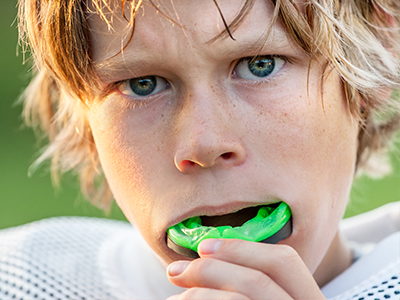
Participating in organized sports or spirited backyard games exposes the mouth to a range of forces that teeth and soft tissues were not designed to absorb. Even low-speed impacts can produce chipped teeth, lacerated lips, or jaw injuries that require urgent dental care and can alter the trajectory of an athlete’s season. A well-fitting mouthguard acts as a first line of defense, distributing impact energy and reducing the likelihood of fractures, tooth displacement, and soft-tissue trauma in the heat of play.
Beyond preventing obvious injuries, mouthguards can help minimize longer-term consequences such as root damage, tooth loss, and disturbances in jaw alignment, all of which may affect speech, eating, and overall oral health. For younger athletes, who are still developing dental and facial structures, proper protection helps preserve growth patterns and prevents early, avoidable interventions. Good mouth protection supports both short-term safety and a healthier dental future.
Wearing a mouthguard is a proven preventive measure recommended by dental professionals for contact and collision sports, and for many non-contact activities where falls or strikes from equipment are possible. Athletes who take the extra step to use appropriate protection can continue training and competing with greater confidence and fewer interruptions caused by preventable dental emergencies.
There are three common categories of mouthguards available to athletes, each offering a different balance of convenience, fit, and protection. Stock mouthguards are pre-formed and usable right out of the package; they are inexpensive and immediate but often bulky and poorly adapted to an individual’s bite. Boil-and-bite guards, which are softened in hot water and then molded to the teeth, provide a better fit than stock models and remain a widespread over-the-counter choice for recreational players and youth athletes.
Custom mouthguards are crafted in a dental office from impressions of the patient’s teeth and are the gold standard for both comfort and protection. Because they are made to match a person’s unique dental anatomy, custom guards offer the most consistent fit, superior retention, and optimized shock absorption. For athletes wearing braces, those with restorative dental work, or anyone seeking long-term reliability, a custom guard is often the preferred option.
Choosing between these types depends on the sport, the athlete’s stage of dental development, and the level of protection desired. While off-the-shelf products can be an acceptable stopgap, a professionally made mouthguard is the best way to marry safety with comfort, enabling athletes to perform without distraction.
Effective mouthguards are about more than just covering the teeth; they combine material science and ergonomic design to protect vulnerable structures while allowing normal breathing and communication. Important characteristics include adequate thickness in impact zones, a snug seal around the teeth to prevent displacement during contact, and materials that absorb and disperse force rather than transmitting it directly to the teeth or jaw. These considerations are especially important in high-impact sports where repeated blows can occur.
Fit and retention are also critical. A guard that shifts during activity can obstruct breathing or speaking and may even become a hazard itself. Properly contoured flanges, precise occlusal surfaces, and stable anchoring over the dental arches help ensure the device stays in place while permitting natural jaw movement. For athletes with orthodontic appliances, specially designed guards accommodate brackets and wires without sacrificing coverage.
Comfort matters because it determines whether athletes will wear the guard consistently. Custom-fitted guards can be streamlined and thin where appropriate, reducing bulk while preserving protective features. Good ventilation channels and low-profile designs allow for easier breathing and clearer communication on the field, making protection less intrusive and more likely to become part of a player’s routine.
The custom fabrication process begins with a careful dental evaluation to identify any oral health concerns that could affect fit or function. The clinician records accurate impressions or scans of the teeth and bite, which serve as the blueprint for a laboratory-crafted device. These impressions capture margin details, tooth positions, and any restorative work that must be accommodated, allowing the lab to build a mouthguard tailored to the athlete’s dental anatomy.
In the lab, technicians layer durable, resilient materials and sculpt them to the specifications provided, optimizing thickness and contours for the intended sport and the wearer’s needs. Once completed, the clinician checks fit, makes any necessary adjustments, and provides guidance on breaking in the device and pairing it with protective equipment such as helmets or face shields. Follow-up visits are scheduled as needed to fine-tune comfort and retention, particularly for growing athletes or those with changing dental conditions.
The result is a mouthguard that fits securely, feels comfortable, and performs predictably during competition. Because it is based on the individual’s dental record, a custom guard also allows for repeatability—replacements can be created from the same specifications if a guard is lost or requires updating, streamlining the process for future seasons.
Proper care extends the life of a mouthguard and keeps it hygienic between uses. After practice or a game, rinse the guard thoroughly with cool water and allow it to air dry before storing it in a ventilated case. Avoid exposing the device to high heat, leaving it in direct sunlight, or using abrasive cleaners that can degrade the materials. Periodic cleaning with a gentle, non-abrasive cleanser or a denture/retainer cleaner recommended by your dental provider helps prevent odors and bacterial buildup.
Inspect the mouthguard regularly for signs of wear such as material thinning, tears, or changes in fit. Children and adolescents may need replacements more frequently because of normal growth and tooth movement; similarly, dramatic orthodontic changes or dental procedures can necessitate a new guard. If the guard becomes uncomfortable, interferes with breathing, or no longer sits securely on the teeth, it’s time for reevaluation.
Routine checks during dental visits are a good practice—your dentist can advise on expected lifespan and make timely recommendations. With reasonable care and periodic reassessment, a properly fitted mouthguard will protect athletes through seasons of play and provide peace of mind for players, parents, and coaches alike.
At Maplewood Dental Group in Nashua, NH, we focus on practical, evidence-based recommendations to help athletes protect their smiles while staying active. If you’d like guidance about the best type of mouthguard for your sport or need a custom-fit device designed for comfort and performance, please contact us for more information.
A sports mouthguard is a protective device worn over the teeth and gums to reduce the risk of dental and soft-tissue injuries during athletic activity. It helps absorb and distribute impact forces that would otherwise concentrate on individual teeth, restorations, or the jaw. By limiting displacement and cushioning blows, a properly designed guard reduces the likelihood of chips, fractures, and lacerations.
Wearing a mouthguard is recommended for contact sports and many activities where falls or strikes are possible, because it protects both immediate function and longer-term oral health. For younger athletes, appropriate protection also helps preserve developing dental and facial structures as growth occurs. Consistent use reduces interruptions from preventable dental emergencies and supports uninterrupted participation in practice and competition.
There are three main categories: stock, boil-and-bite, and custom mouthguards. Stock guards are pre-formed and ready to wear but often fit poorly and can interfere with breathing or speaking, while boil-and-bite guards offer a better fit by allowing the wearer to soften and mold the material at home. Custom mouthguards are made from impressions or scans of the athlete's teeth and provide the most precise fit, retention, and comfort.
The choice among these options depends on the level of play, the athlete's dental anatomy, and any special considerations such as orthodontic appliances or restorations. Over-the-counter products can serve as short-term protection but typically sacrifice comfort and long-term reliability. For athletes seeking optimal fit, durability, and performance, a professionally fabricated custom guard is the preferred solution.
A custom mouthguard is a strong consideration for athletes involved in contact and collision sports, competitors who face repeated impacts, and players who need reliable retention during intense activity. It's especially recommended for individuals with orthodontic appliances, extensive dental restorations, or unique bite relationships that off-the-shelf products cannot accommodate. Parents of youth athletes may also prefer custom devices because they are tailored to developing mouths and can be adjusted as children grow.
Custom guards are also beneficial for anyone who finds store-bought options uncomfortable or distracting, since a precise fit promotes consistent use. Athletes who communicate frequently on the field, need easy breathing, or wear helmets and face shields often gain performance advantages from low-profile, professionally designed guards. Discussing sport-specific demands with a dental professional helps determine whether a custom device is the right investment in protection and comfort.
The process begins with a clinical evaluation to document oral health, tooth positions, and any factors that could affect fit, such as braces or restorations. The clinician then records accurate impressions or digital scans of the teeth and bite, which serve as the blueprint for the laboratory fabrication. These records capture individual anatomy so technicians can design contours, thickness, and occlusal surfaces that match the athlete's needs.
In the lab, technicians layer resilient materials and sculpt the guard to the prescribed specifications, optimizing impact zones and retention features for the intended sport. At delivery, the dentist checks fit and makes fine adjustments to ensure secure seating, comfort, and unimpeded breathing and speech. Follow-up appointments are scheduled as needed to address growth, orthodontic changes, or any fit issues that arise during use.
Good care extends the life of a mouthguard and keeps it hygienic between uses; rinse it with cool water after each practice or game and allow it to air dry before storing it in a ventilated case. Avoid exposing the device to hot water, direct sunlight, or high temperatures that can warp materials, and do not use abrasive cleaners that could damage protective layers. Periodic cleaning with a mild, non-abrasive cleanser or a retainer/denture cleaner recommended by your dental provider helps control bacteria and odors.
Store the guard in a rigid, ventilated container when not in use and keep it away from pets and small children who may chew on it. Inspect the device regularly for thinning, tears, or loss of fit and document any changes to discuss at dental visits. Proper daily care paired with routine professional checks preserves performance and reduces the chance of unexpected failure during play.
The replacement interval varies with the type of guard, frequency of use, and signs of wear; over-the-counter guards may need replacement more often, while custom devices generally last longer with proper care. Children and adolescents require more frequent replacements because growth and tooth movement change the fit over time. Additionally, significant wear, cracks, or a change in fit after an impact indicate that a new device is needed.
Orthodontic treatment, restorative dental work, or notable changes in bite also warrant a reassessment and likely replacement to maintain protection and comfort. Schedule routine checks during dental visits so your provider can evaluate the guard's condition and recommend timely updates. Replacing a compromised guard ensures continued safety and predictable performance on the field.
Mouthguards are primarily designed to protect teeth, restorations, and soft tissues, and they are effective at reducing dental trauma by absorbing and dispersing impact energy. Scientific evidence on mouthguards preventing concussions is mixed, and they should not be relied upon as the primary protection against head injuries. A properly fitted guard can, however, reduce force transmission to the jaw and may help lower the risk of certain jaw-related injuries when used alongside appropriate helmets and protective equipment.
Because concussion prevention depends on multiple factors such as helmet design, sport rules, and safe technique, mouthguards are one component of a broader protective strategy. Athletes and coaches should prioritize certified helmets, rule enforcement, and conditioning programs while using mouthguards to protect oral structures. Consult with your dentist and athletic staff to ensure equipment choices match the sport's specific risks and safety protocols.
Custom mouthguards can be fabricated to accommodate orthodontic brackets, wires, and a variety of restorative work without compromising coverage or comfort. Because they are made from impressions or scans that reflect the current arrangement of teeth and appliances, custom guards can include relief areas and additional material where needed to protect soft tissues and maintain retention. Over-the-counter options generally do not fit well over braces and can be displaced more easily, increasing the risk of discomfort or diminished protection.
As orthodontic treatment progresses, the guard may need adjustments or replacement to reflect tooth movement and changing bite relationships. Communicate treatment milestones with your dental team so the mouthguard remains effective throughout orthodontic care. Regular monitoring during orthodontic visits helps ensure that protection adapts to each stage of treatment.
Key features include secure retention, adequate thickness in impact zones, and a low-profile design that permits easy breathing and clear communication. Good retention prevents the device from shifting during play, while strategically varied thickness balances protection with reduced bulk to minimize interference. Ventilation channels or unobstructed breathing pathways are important for athletes who need high endurance or constant vocal communication on the field.
Material quality and shock-absorbing properties also influence a guard's performance, so professional-grade materials and multi-layer construction are preferred for durability and energy dispersion. Tailored occlusal surfaces and contoured flanges improve comfort and help the athlete maintain a natural bite during activity. A professional fitting ensures these features work together to support both protection and performance.
To obtain a custom mouthguard, schedule an appointment with Maplewood Dental Group so the dental team can perform an evaluation and discuss the athlete's sport-specific needs. During the visit the clinician will document oral health, record impressions or digital scans, and review considerations such as braces, restorations, and breathing or communication requirements. These details guide the laboratory fabrication so the final device matches the individual's anatomy and activity demands.
After the guard is fabricated, you will return for a fitting where the clinician makes necessary adjustments and provides instructions on breaking in, storage, and cleaning. Follow-up visits can address fit changes from growth or dental treatment and simplify future replacements by keeping accurate records of the guard's specifications. Contact the Nashua office to arrange an evaluation and learn how a custom mouthguard can protect your smile during play.
Skilled, compassionate dental care for patients of all ages in Nashua, New Hampshire.