Continue
Improving the appearance of your smile can make a difference in your confidence and overall quality of life. At the office of Maplewood Dental Group, we provide experienced care, skillfully combining the art and science of dentistry to give patients teeth that are as beautiful as they are healthy.
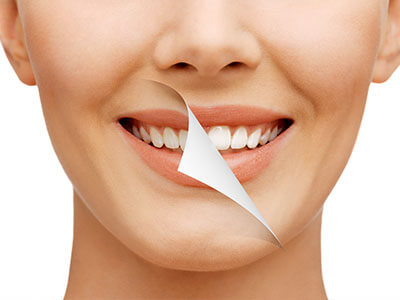
If your teeth appear dull, drab, discolored, or stained, don't despair. Thanks to advances in cosmetic dentistry, you too can enjoy the benefits of a beautiful smile. With a teeth whitening procedure from our office, we can quickly and dramatically lighten and brighten your smile.
You can rest assured your smile in the best of hands with us. We use the latest generations of professional strength teeth whitening systems to transform the appearance of your teeth and give you a smile that's several shades lighter, brighter, and more vibrant than before your procedure.
As dedicated providers of care, our goals are to help every patient maintain good oral health and wear their best-looking smile. We tailor treatment to address individual needs and meet every patient's expectations of care.
After examining your smile and determining if a teeth whitening procedure is suitable for you, we'll recommend the best in-office procedure or a take-home whitening system to achieve your cosmetic goals.
How white your teeth look depends on how they reflected and scattered light. Although external staining is typically due to certain foods, beverages, or tobacco use, internal tooth discoloration is usually the result of genetics, certain medications, tooth decay, restorations, and trauma. Aging also plays a significant role in tooth color. Over time, as the outer layer of enamel thins, the yellow inner layer of dentin becomes more apparent.
Teeth whitening or bleaching simply refers to any process that will make the teeth appear whiter. Today, there's an abundance of choices in teeth whitening products and procedures available to you. Options run the gamut from over-the-counter toothpastes, rinses, strips, or gels to professionally supervised in-office treatments and customized take-home kits.
With so many choices in care, how do you know which one to select? Despite the many over-the-counter products on the market today, it's essential to keep in mind that the premiere teeth whitening systems are the professional-strength ones provided by the dentist. Not only do these whitening systems offer a higher concentration of whitening components than the ones available in stores or online, but they also get delivered to the teeth in the safest, most effective, and well-supervised way.
While you may be tempted to purchase a kit in the drugstore or online, be careful. Some over-the-counter teeth whitening products can damage the teeth and soft tissues in the mouth. Even though many work when healthy teeth and gums are present, they may be ineffective or problematic when sensitive teeth, exposed roots, cavities, broken fillings, cracked teeth, or loose dental work exist.
Whitening products typically fall into one of two of the following categories:
Under the category of peroxide containing bleaching agents, most whitening systems contain either carbamide peroxide or hydrogen peroxide as the active ingredient. While both can readily permeate the enamel to achieve pleasing results, the concentration of either one of these ingredients determines the strength, effectiveness, and safety level of the whitening system.
Teeth whitening systems rely on a chemical reaction between the bleaching agent and the discolored molecules. As the latter get oxidized, the stains and discoloration get broken up and erased.
At the office of Maplewood Dental Group, we combine the art and science of dentistry to create beautiful and healthy smiles. We value your investment and provide treatment that supports good oral health while fulfilling your smile goals and expectations of care. We offer a range of advanced cosmetic dental services and will help you choose the option that's right for your smile.
While teeth whitening procedures in most cases produce highly satisfying results, not every type of stain or discoloration responds well to one. First of all, a teeth whitening procedure only works on natural teeth and does not change or improve the color of dental fillings, crowns, or bridges. It should also be mentioned that just as individuals with yellow tones to their teeth typically respond well to a teeth whitening, brown and grayish teeth can respond less well and may require more intensive whitening regimens or alternative cosmetic treatments. Furthermore, a teeth whitening procedure may not be recommended in the presence of sensitive teeth, worn enamel, and significant gum disease.
You can trust us to take a close look at your smile and advise you if a teeth whitening is right for you, or if another cosmetic procedure offers healthier and better results.
Watch what you eat and drink
Maximizing the benefits of a teeth whitening procedure involves being mindful of what you eat and drink. This guideline is especially true for the first 48 hours following an in-office treatment. The reason is the ultra-thin, membranous protective layer of the tooth that was temporarily removed as a result of the whitening procedure takes a couple of days to reestablish itself.
You can protect the results by avoiding deeply colored foods and beverages that can stain your teeth!
Refrain from drinking coffee, red wine, dark soft drinks, and teas. Stay away from fruits like berries and grapes, and chocolate products as well as other foods that are darkly colored.
Feel free to eat and drink foods with a low potential to stain your teeth!
Beverages such as water, milk, white wine, and clear soft drinks are okay. Eating fruits such as a banana or peeled apple are fine. Cheeses, as well as white foods like chicken, fish, pasta, oatmeal, potatoes, and bread prepared without red sauces or dressings, are acceptable as well.
Avoid Smoking
Smoking stains and yellows your teeth under the best of circumstances. If you are a smoker and have just had your teeth whitened, it's a good idea to refraining from the habit for at least the first couple of days. Of course, smoking less frequently after that or quitting the habit altogether not only benefits the appearance of your smile but also your oral health and overall well-being.
Some sensitivity is normal.
You may experience some sensitivity to cold and hot for a couple of days. This discomfort typically subsides. We recommend taking over-the-counter pain medication just as you would for a headache. Using toothpaste designed for sensitive teeth may also be helpful.
Treatment Results
While teeth whitening procedures provide satisfying outcomes of care, it's essential to keep in mind that results vary from patient to patient. Both short-term and long-term results are influenced by the original shade of the tooth, diet, and oral habits.
Also, as explained before treatment, teeth whitening procedures do not change the color of existing fillings, crowns, bridgework, or dental bonding. If this issue presents an aesthetic concern, we can discuss replacing a restoration.
Keeping your smile bright
Maintaining the results of treatment also rely upon proper oral hygiene and routine dental care. We'll also discuss a take-home whitening system if any periodic touch-ups are indicated following the procedure or down the road.
At the office of Maplewood Dental Group, we're dedicated to providing the highest quality of care. If you have any additional questions or concerns about your teeth whitening procedure, feel free to contact our office.
While an overwhelming selection of over-the-counter teeth whitening products is readily available for purchase at stores or online, it's imperative to keep in mind that the healthiest and most effective methods of care are those professionally supervised by your dentist. With a teeth whitening procedure provided by our office, we can safely, comfortably, and effectively transform your smile by up to several shades in a short amount of time.
Teeth whitening offers a simple and non-invasive to whiten and brighten your smile. Whitening products contain various strengths of biologically safe hydrogen peroxide or carbamide peroxide that act as bleaching agents on stained or discolored dental enamel. By breaking the stains into smaller pieces, these bleaching agents make the color less concentrated and your teeth brighter.
Every patient is different, and despite the fact that many people experience no sensitivity or pain with a professional teeth whitening, there are some that do. Although considered a minimally invasive cosmetic procedure, some temporary discomfort during and following the procedure may ensue. It helps to stick to room temperature beverages for a few days following a teeth whitening. You can also take over-the-counter pain medication as you would for a headache. If you have a history of sensitive teeth, we may select a gentler formulation of whitening products or an alternative procedure.
It's essential to keep in mind that every patient has unique needs and specific requirements of care. In general, individuals with yellow tones to their teeth respond best to teeth whitening. Brown and grayish tinted teeth bleach respond less well and may require significantly longer dentist-supervised tooth whitening regimens or alternative cosmetic treatments. Finally, teeth whitening may not be recommended in the presence of sensitive teeth, worn enamel, and significant gum disease.
For darkly stained teeth, a whitening procedure may not provide the cosmetic results desired. In these cases, we'll talk about alternative options such as porcelain veneers or full-coverage crowns.
Teeth whitening only works on natural teeth. The fact that whiteners do not affect the color of existing dental fillings, veneers, bonding, crowns, or bridges on the front teeth remains an important consideration when choosing the best cosmetic option in care.
As a rule, the healthiest and most effective methods of teeth whitening are the ones managed and supervised by your dentist. You can count on our office to provide the most effective, safest, and satisfying professional-strength options to whiten, brighten, and lighten your smile! Stay away from over-the-counter products, which may be overly abrasive or put the health of your teeth and the surrounding soft tissues at risk. While these products may work when healthy teeth and gums are present, they're often ineffective or problematic when sensitive teeth, exposed roots, cavities, broken fillings, cracked teeth, or loose dental work are the case.
How long your teeth whitening lasts depends on your lifestyle. Your eating, drinking, and smoking habits can have a significant impact on maintaining your result. Of course, the best way to ensure that your smile stays healthy and beautiful is a good daily oral healthcare regimen, along with regular dental checkups and cleanings.
It's essential to keep in mind that as a cosmetic dental procedure, a teeth whitening may not be covered by your insurance plan. We understand the financial considerations involved in care and do our best to help you get the treatment you need without any additional stress or day. We offer several payment options and financing plans to make things easier.
At the office of Maplewood Dental Group, we want every patient to enjoy the benefits of a smile that is as beautiful as it is healthy. In addition to offering a comprehensive range of advanced services to keep your smile in tip-top health, we also provide leading-edge cosmetic solutions to transform less-than-perfect-looking teeth into ones that dazzle.